About Hospital Beds
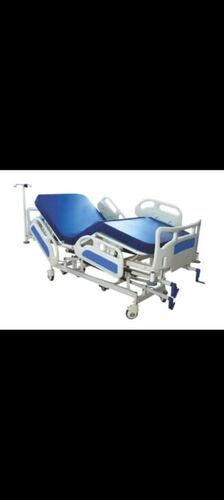
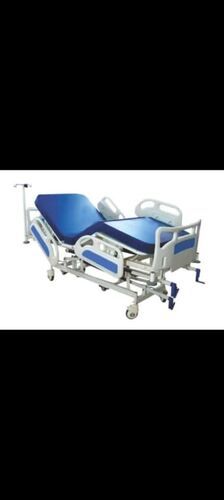
There are three main types of hospital beds: manual, semi-electric, and fully-electric. However, more types of medical beds exist and they are listed in the table below. Manual: These beds use hand cranks to adjust the bed's height and raise and lower the head and the foot.Effortless Mobility and SafetyEquipped with 125 mm diameter caster wheels and anticollision bumpers at every corner, this bed is easy to maneuver and safe to position. The diagonal locking system ensures the bed stays securely in place during use or patient transfer.
Patient Comfort and HygieneThe bed features a backrest that adjusts up to 75 degrees and a sturdy, perforated steel mattress platform, ensuring both comfort and air circulation. ABS engineering plastic head and foot boards are detachable and washable, supporting high hygiene standards in clinical environments.
Robust Design with Flexible FeaturesWith collapsible aluminum side rails, crank system adjustments, and optional telescopic bed extension, the bed adapts to various patient needs. Its modern design includes height adjustability, epoxy antimicrobial coating, and compliance with ISO and CE standards.
FAQ's of Hospital Beds:
Q: How does the diagonal locking mechanism on the caster wheels enhance the hospital bed's stability?
A: The diagonal locking mechanism allows two wheels at opposite corners to lock simultaneously, ensuring the bed remains securely stationary during patient care, transfers, or when parked, resulting in increased safety.
Q: What are the benefits of ABS engineering plastic head and foot boards in this hospital bed?
A: ABS engineering plastic is highly durable, impact-resistant, and easy to clean. The head and foot boards on this bed are detachable and washable, maintaining hygiene and simplifying sanitation routines.
Q: When should healthcare providers use the manual crank system for adjustments?
A: The manual crank system allows caregivers to easily adjust the backrest (0-75) and knee-rest as needed. This should be used when repositioning the patient for comfort, facilitating medical procedures, or aiding in mobility and recovery.
Q: Where can this bed be utilized effectively?
A: This hospital bed is suitable for patient care in hospitals, clinics, and other healthcare facilities. Its flexible features and safety elements make it ideal for both general wards and specialized care units.
Q: What is the process for cleaning and maintaining the bed's detachable components?
A: The head and foot boards, side rails, and IV pole are designed to be easily removed. These components should be washed with hospital-grade disinfectants, rinsed thoroughly, and dried before reattachment to maintain hygiene.
Q: How does the optional telescopic bed extension benefit patient care?
A: The telescopic bed extension provides added length to accommodate taller patients, ensuring comfort and proper ergonomic support without compromising bed functionality or safety.





 Send Inquiry


 Send Inquiry


